Bee Pollen: One of Nature’s Most Nutrient-Dense Superfoods
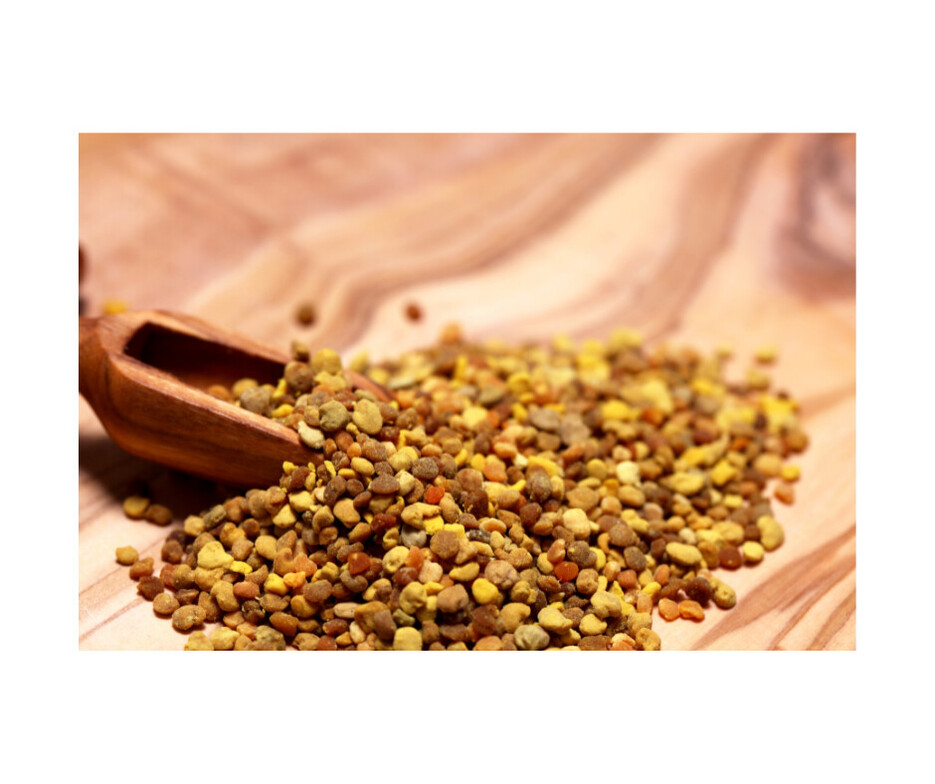
Bee pollen is often referred to as a “nature-made multivitamin” because of its remarkably rich nutrient profile. Collected by bees from flowering plants, these tiny golden granules contain a powerful blend of vitamins, minerals, enzymes, amino acids, and antioxidants — all in a highly bioavailable form that the body can easily absorb.
Whether you're looking to boost energy, support immunity, balance hormones, or enhance overall wellness, bee pollen offers a natural and comprehensive way to nourish the body at a cellular level.
Key Nutrient Benefits of Bee Pollen
Bee pollen supports the body through a wide range of nutrients:
Complete Protein Source
-
Contains all essential amino acids
-
About 40% protein by weight
-
Supports muscle repair, immune function, and nervous system health
Natural B-Complex Boost
Rich in naturally occurring B vitamins that support:
-
Energy production
-
Stress resilience
-
Mental focus
-
Adrenal health
-
Methylation + detox pathways
Antioxidants + Anti-Inflammatory Support
Bee pollen contains potent antioxidants such as:
-
Flavonoids
-
Carotenoids
-
Phenolic acidsThese help reduce oxidative stress, support healthy aging, and protect against cellular damage.
Minerals + Trace Elements
Includes over 25 essential minerals, such as:
-
Magnesium
-
Potassium
-
Zinc
-
Selenium
-
Iron and copperThese support hormones, immunity, thyroid function, and metabolic health.
Digestive + Detoxification Support
Bee pollen contains natural enzymes that assist with:
-
Digestion
-
Nutrient absorption
-
Gut microbiome balance
-
Liver detox pathways
Hormone, Fertility & Adrenal Support
Due to its nutrient density, bee pollen is often used to support:
-
Reproductive hormones
-
Fertility (men + women)
-
Healthy stress response
-
Thyroid and adrenal function
Natural Energy & Mood Support
The combination of B-vitamins, amino acids, and antioxidants helps:
-
Improve stamina
-
Reduce fatigue
-
Support mood and mental clarity
How to Take Bee Pollen
Bee pollen has a slightly sweet, floral taste and can be enjoyed in several ways:
-
Straight off the spoon
-
Added to smoothies
-
Mixed into yogurt or fruit bowls
-
Combined with raw honey
-
Stirred into cool beverages (avoid heat to preserve enzymes)
Suggested Dosing for Bee Pollen
Because bee pollen is highly potent, it’s important to introduce it slowly, especially for first-time users.
Beginner / First-Time Users
-
Day 1–3: 1–2 granules under the tongue
-
Day 4–7: Increase to ¼ teaspoon per day
If no sensitivity occurs, slowly increase.
Standard Daily Wellness Dose
-
1 teaspoon to 1 tablespoon per dayProvides steady nutritional support for general health.
Therapeutic Dose (Short-Term)
For energy, adrenal support, fertility, allergies, or recovery:
-
1 tablespoon once or twice daily
Use for 6–12 weeks as needed.
Best Time to Take It
-
Morning or early afternoon is ideal
-
Avoid taking late in the evening, as it may increase energy
Safety & Precautions
Bee pollen is safe for most people, but the following guidelines help ensure a positive experience:
-
Avoid if you have a known allergy to bees or pollen
-
Introduce slowly if you experience seasonal allergies
-
Pregnant women may take small amounts if they have used bee pollen before — always use practitioner guidance
-
Store in the refrigerator or freezer to maintain freshness and nutrient potency
Final Thoughts
Kimberly Kubitza
Contact Me